
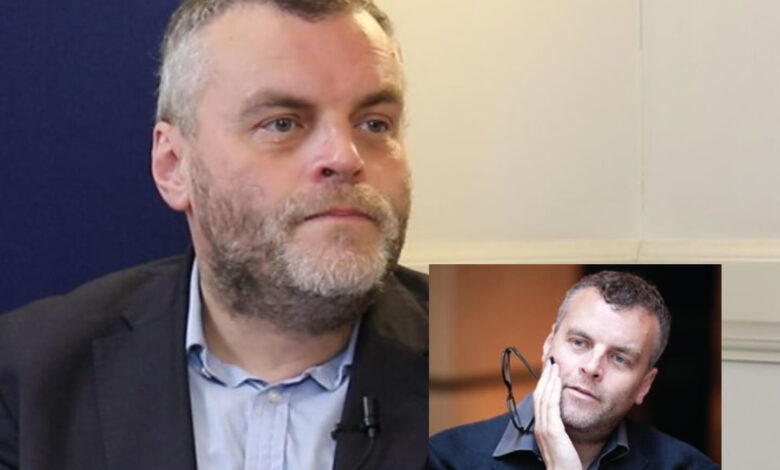
Introduction
Public figures attract scrutiny, and sometimes that scrutiny turns into medical guesswork. In recent months, questions about “Tim Montgomerie health problems” have circulated online—some of them earnest, others plainly speculative. This article sets out what’s actually known, what’s not, and why the rumors exist at all, using only verifiable, on-the-record material. Short version: there is no authoritative confirmation that Tim Montgomerie has any long-term physical illness; he has, however, spoken openly about mental health struggles during lockdown.
Who Tim Montgomerie Is
Tim Montgomerie is a British political activist, commentator, and writer. He founded the influential ConservativeHome website, helped establish the Centre for Social Justice, and has written for and appeared across major UK media. He was born 24 July 1970 (Barnstaple, Devon), studied at the University of Exeter, and has been a familiar face in Westminster debates for two decades. In 2024 he publicly aligned with Reform UK after previously leaving the Conservative Party in 2016. These are settled biographical facts, helpful context for anyone encountering sensational claims about his health.
Where The Rumors Came From
A large share of the chatter traces to social media posts that invited armchair diagnoses based on television appearances. One widely shared message speculated he’d had a stroke or been injured—without any evidence. This is a classic example of rumor creation by inference from appearance, not from medical disclosure or reporting. There is no corroboration from reputable outlets or from Montgomerie himself.
His Own Words
What Montgomerie has addressed, in his own voice, is mental health. In a post on X (formerly Twitter), he said he had “experienced mental health struggles… especially during lockdown.” Clips shared from broadcast conversations echo the same point: the isolation of the pandemic years was “really difficult… mental health-wise.” These are first-person acknowledgments about psychological wellbeing—nothing to do with confirmed physical disease.
What We Actually Know
-
No official diagnosis: There is no public, authoritative statement—from Montgomerie, a treating clinician, or a credible news outlet—confirming any long-term physical health condition. Reputable biographies and recent coverage focus on his political roles, not on medical issues. Absence of evidence isn’t proof of perfect health, but it does mean there are no verified physical “health problems” to report.
-
Self-disclosed mental health strain: Montgomerie has personally described mental health challenges during lockdown. That is a fact because it comes directly from him.
-
Continuing public activity: He remains active in media and politics—appearing on TV and radio, writing columns, and participating in debates. Sustained public work is generally inconsistent with claims of incapacitating illness (though of course people can work with health conditions).
What We Don’t Know
We don’t know his private medical history, and we don’t have verified details about any acute episodes, treatments, or diagnoses. That’s normal. Absent a voluntary disclosure or reliable reporting, a public figure’s health status is a private matter. Filling the gaps with speculation—especially clinical speculation—does not turn unknowns into facts.
How Rumors Gain Traction
Three forces typically drive health rumors about public figures:
1) Visual cues on television. Changes in lighting, angle, fatigue, or recent dental work can be misread as symptoms. A single screen grab becomes a story. In Montgomerie’s case, a now-circulated post guessed wildly based on appearance.
2) Online amplification. Platforms reward hot takes; conjecture spreads faster than corrections.
3) Confirmation bias. Once someone believes a figure is “unwell,” ordinary variations—speech tempo, facial expression, a cough—are reinterpreted as proof.
Why Official Sources Matter
In health reporting, chain of custody for facts matters. Acceptable sources include:
-
First-person statements (the subject themselves).
-
Credible, accountable publications citing named records or spokespeople.
-
Public records where applicable.
In this case, the only on-record health-related statements come from Montgomerie himself about mental health in lockdown. Everything else is rumor unless and until substantiated.
A Brief Timeline For Context
-
1990s–2000s: Conservative activism; co-founds Conservative Christian Fellowship; later co-founds Centre for Social Justice.
-
2005–2013: Founds and edits ConservativeHome; joins The Times as Comment Editor (resigns 2014).
-
2016: Leaves Conservative Party over EU stance.
-
2019: Briefly advises Prime Minister Boris Johnson.
-
2024–2025: Aligns with Reform UK; remains a regular media voice. None of these milestones include verified physical health disclosures.
Reading Social Posts Critically
A practical way to parse this topic:
-
Identify the speaker. Is it Montgomerie, a reputable newsroom, or an anonymous account?
-
Check the claim’s scope. “Looks unwell” is opinion; “had a stroke” is medical fact requiring evidence.
-
Seek corroboration. One unverified post isn’t enough—look for consistent reporting across credible outlets. In this case, there isn’t any.
The Line Between Curiosity and Privacy
Public interest justifies reporting on health when it directly affects duties—say, a head of government’s ability to serve. For commentators and journalists like Montgomerie, the threshold is different: unless they choose to share, their personal medical information remains private. Respecting that boundary is part of responsible media practice. (That boundary, notably, doesn’t prevent discussing what he self-disclosed about mental health during COVID-19.)
What His Recent Work Suggests
Whatever the internet rumor mill says, Montgomerie continues to publish, debate, and appear on broadcast media—including segments where he comments on NHS funding, junior doctors’ pay, and wider policy questions. A sustained public workload is not definitive proof of perfect health, but it is strong counter-evidence to claims of debilitating illness.
Best Practices For Writing About Health
If you’re covering this topic on your own blog, here’s a professional, ethical approach that keeps the human element front and center:
-
Lead with what’s verified. State clearly that there are no confirmed reports of physical illness, and cite his own words about mental health during lockdown.
-
Name the rumor for what it is. If you reference the stroke speculation, label it unverified social media chatter and say so plainly.
-
Avoid armchair diagnosis. Do not interpret facial asymmetry, voice, or gestures as clinical evidence.
-
Keep the tone humane. Use person-first language and avoid sensational framing.
-
Update if facts change. If Montgomerie ever issues a new statement, revise promptly and transparently.
Key Takeaways
-
There is no credible, on-the-record confirmation that Tim Montgomerie has a long-term physical health condition.
-
He himself has said he experienced mental health challenges during the lockdown period.
-
Rumors mostly stem from social posts that speculate based on appearance, not from reporting or disclosure.
-
He remains professionally active, commenting and appearing across media.
Closing Thought
Behind every trending phrase like “Tim Montgomerie health problems” is a human being. Treating health as clickbait strips away dignity. The responsible approach is simple: report what’s real, label what isn’t, and leave private things private—unless the person chooses otherwise. On the evidence available today, the facts are limited and straightforward: Montgomerie has acknowledged mental health struggles during lockdown, and there’s no verified record of long-term physical illness.


